Quality management

Bacteriophages: the alternative to antibiotics
Read moreAdministering viruses to kill bacteria, and in doing so solving or preventing a whole range of problems. It sounds like science fiction, but it is already applied today. These viruses are called bacteriophages.
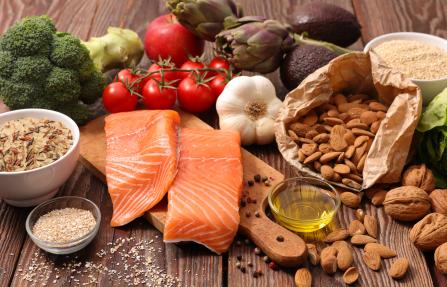
Food safety culture in practice
Read moreThe food sector never stands still. Quality standards such as IFS and BRCGS constantly publish new versions of the requirements that safe, quality food must meet.

Pyrrolizidine alkaloids
Read moreWe regularly see product recalls by the FASFC due to an excessive level of these alkaloids. Rightly so, since ingesting too high a dose of alkaloids over a long period can lead to liver disease.

Are you managing allergens correctly in your crèche?
Read moreMore and more young children suffer from some form of allergy: latex, food, animals, pollen... but how does an allergy work, and how can you prevent an allergic reaction?
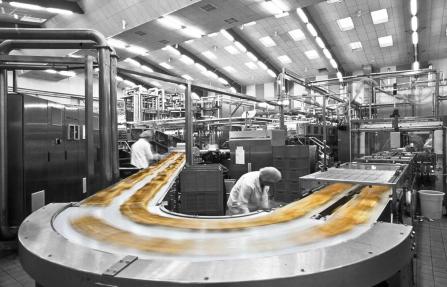
The differences between the 2008 and 2015 versions of ISO 9001
Read moreISO 9001 is the best-known and most widely used standard for quality management systems. Naturally, standards like this must evolve over time, just like your organisation, and occasionally need an update. So what are the differences between the ISO standard from 2008 and the one from 2015?

Watch out for 'Quick & Flupke'
Read moreSeveral Belgian and foreign food companies were threatened in 2019 with the poisoning of their products using the dangerous substance oleandrin.

Medical certificate no longer mandatory
Read moreUntil recently, every employee in the animal primary sector had to demonstrate, by means of a medical certificate, that their state of health allowed them to come into direct contact with foodstuffs. This requirement was set out in Annex II of the Royal Decree of 13 July 2014 on food hygiene.
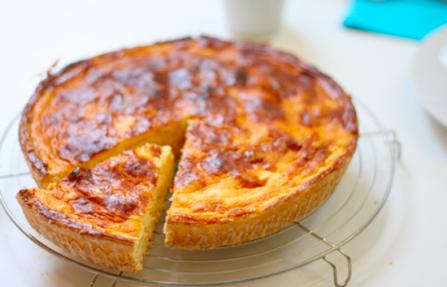
Bakers no longer allowed to sell rice tart made grandmother's way
Read moreBakers can no longer make and store an artisanal rice tart if they have to comply with the FASFC's requirements.
It all comes down to one of the basic ingredients, namely milk.
The whole discussion essentially revolves around two issues: the preparation process and the storage of the rice tarts, says Bart Thomassen of the professional federation for bakers in Flanders.