Food

Heavy metals in raw materials: mercury, arsenic and the new EU approach since 2023
Read moreMercury in fish, arsenic in rice and cadmium in cocoa: heavy metals in raw materials remain a recurring risk. Since 2023, Regulation (EU) 2023/915 brings all maximum levels together in one framework. We look at the current limits and how to control this risk in practice.

Gluten-free on the label: which rules apply to food businesses?
Read moreWhat can a food business put on its label as "gluten-free"? We explain the legal thresholds, the allergen rules and a practical approach.
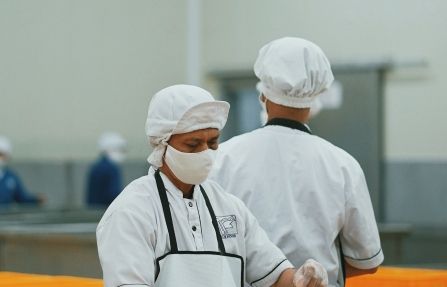
Halal and kosher certification in the food industry: what you need to know
Read moreHalal and kosher certification requires a separate layer on top of your existing food safety system. We set out the key legal and practical points for Belgian food businesses.

GMOs and the new NGT Regulation: what does it mean for your business?
Read moreSince 16 July 2026, a new EU regulation applies to NGT plants, with consequences for labelling. We outline the key changes.
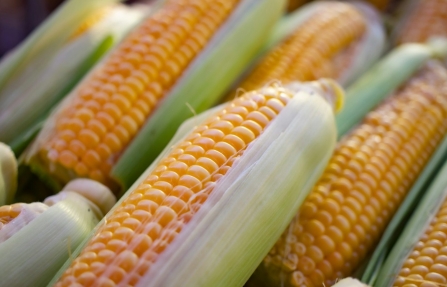
Mycotoxins in cereals and animal feed: EU legislation and the climate risk
Read moreMycotoxins in cereals and animal feed face stricter EU limits and growing climate pressure. Discover the legislation, the risk and how to control it.
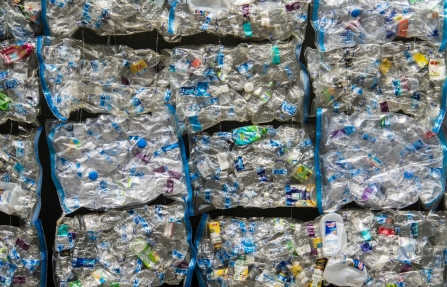
PPWR in practice: conformity, materials and recyclability
Read moreThe PPWR demands more than understanding the rules: it's about conformity assessment, materials and recyclability in practice. Discover where companies get stuck today.

PPWR: are you the manufacturer or the producer? Here's what determines your responsibility
Read moreWith the arrival of the PPWR (Packaging and Packaging Waste Regulation), it is not only the rules on packaging that are changing, but also the way responsibilities are divided along the chain.

Listeria: from 1 July 2026, zero becomes the standard
Read moreSince 1 July 2026, the European approach to Listeria monocytogenes in ready-to-eat products has shifted from 'demonstrably safe enough' to 'absent, unless proven otherwise'. For anyone placing RTE products on the market, this is not a minor detail, but a new starting point.

ECGT and green claims: what does this mean for your business?
Read moreWith the introduction of the Empowering Consumers for the Green Transition (ECGT), the role of sustainability claims is shifting fundamentally. Where such claims used to be primarily a marketing tool, they are now becoming a compliance responsibility.

PPWR 2026: what changes for your business?
Read moreThe PPWR (Packaging and Packaging Waste Regulation) is the new European regulation on packaging, which will come into force on 12 August 2026. With this regulation, Europe aims to achieve a fundamental shift: less packaging waste, more circularity and stricter control of materials and claims.