Quality management

New FASFC circular: what changes for the disinfection of tools?
Read moreOn 20/11/2026 the FASFC published a new circular on the disinfection of tools in slaughterhouses, cutting plants and meat processing companies. This is what changes for alternative methods, contact time and verification.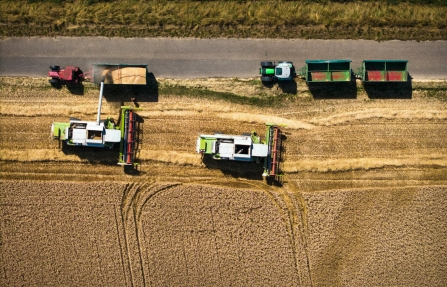
Self-checking guide G-038 version 4: what changes for the grain trade and agricultural supply
Read moreSince 11/11/2026, every G-038 audit is based on version 4. We set out the main changes for traders, collectors and agricultural suppliers.
Determining shelf life: how do you substantiate the date on your food product?
Read moreA shelf-life date is not a guess, but the responsibility of the producer. Find out what the legislation requires and how to set up a shelf-life study.
ISO 9001:2026: the key changes
Read moreISO 9001:2026 was published on 16 September 2026. Discover the key changes, the transition period until 30 September 2029 and how to prepare your quality management system in time.
Heavy metals in raw materials: mercury, arsenic and the new EU approach since 2023
Read moreMercury in fish, arsenic in rice and cadmium in cocoa: heavy metals in raw materials remain a recurring risk. Since 2023, Regulation (EU) 2023/915 brings all maximum levels together in one framework. We look at the current limits and how to control this risk in practice.
Gluten-free on the label: which rules apply to food businesses?
Read moreWhat can a food business put on its label as "gluten-free"? We explain the legal thresholds, the allergen rules and a practical approach.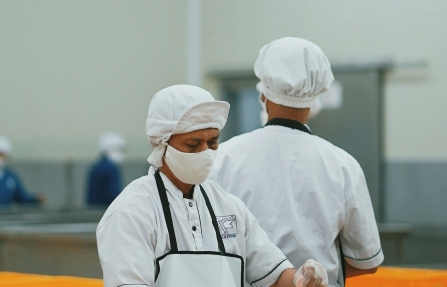
Halal and kosher certification in the food industry: what you need to know
Read moreHalal and kosher certification requires a separate layer on top of your existing food safety system. We set out the key legal and practical points for Belgian food businesses.
Mycotoxins in cereals and animal feed: EU legislation and the climate risk
Read moreMycotoxins in cereals and animal feed face stricter EU limits and growing climate pressure. Discover the legislation, the risk and how to control it.
Traceability in the food industry: why it is crucial and how to approach it
Read moreTraceability is the backbone of any food safety system. Discover the legal framework, the practical approach and the link with risk analysis and audits.
IFS Local Check: the pragmatic step towards greater food safety and trust
Read moreIFS Local Check is intended for small food businesses with a single production site, no outsourced processes and no complex management structures. This includes, for example, family businesses, artisanal producers, cooperatives or traditional processors with limited production volumes.