Feed
Our Feed team knows the specific challenges of the animal feed sector inside out, from GMP+ to FCA. As teamleader, my team and I work on this every day. Do you have a question about quality management in animal feed?
We're happy to think it through with you.
Lieselot Heyse, teamleader Feed
what team Feed can mean for you?
Interpretation and implementation of statutory and sectoral standards
Our Normanists answer all questions regarding quality standards (GMP+, FCA, G-001) in animal feed. You have also come to the right place for the additional specifications.
Mentoring start-ups
A new animal feed project in the works? Together, we ensure the correct application of legal requirements regarding the quality and safety of animal feed.
Developing a quality manual
Is your quality manual due for updating or simplification, or are you not yet compliant with regulations? We provide the necessary documents tailored to the needs and level of your company.
Guidance towards certification
We are revising the quality system, focusing on simplification without losing sight of legal or normative requirements.




our experts talking
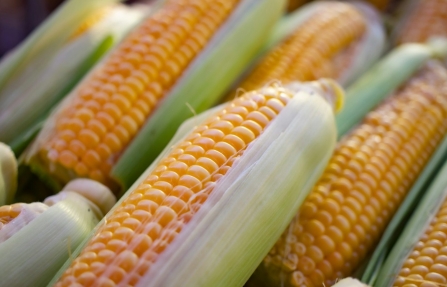
Mycotoxins in cereals and animal feed: EU legislation and the climate risk
Read moreMycotoxins in cereals and animal feed face stricter EU limits and growing climate pressure. Discover the legislation, the risk and how to control it.




courses
Normcast
Normcast X - Universiteit Gent - Mia Eeckhout - De toekomst is circulair
De zwarte soldatenvlieg en waterlinzen. Wie zijn ze en hoe kunnen ze ingezet worden als grondstof voor dierenvoeding? En wat is hun eventuele bijdrage aan een circulair verhaal?
Mia Eeckhout, professor aan de Universiteit van Gent, legt het ons haarfijn uit. Verder gidst ze ons doorheen de verschillende onderzoeksprojecten in de circulaire voedingsindustrie.
Whitepapers
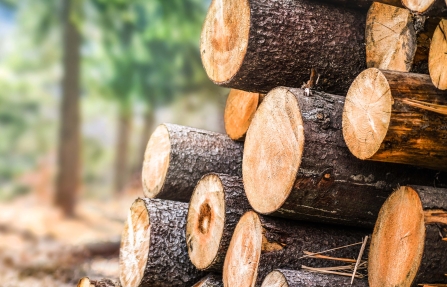
Whitepaper: Regulation 2023/1115 as a response to the fight against deforestation and forest degradation
Between 1990 and 2020, as much as 420 million hectares of forest were cut down or degraded worldwide, according to an estimate by the Food and Agriculture Organization of the United Nations (FAO). The consumption of raw materials such as cattle, cocoa, coffee, palm oil, soy and timber within the European Union is a major cause of this. A growing problem that therefore urgently needs to be addressed.