Product information under the microscope
Research shows that 20%, or 25,000 product data sheets, contain errors or omissions. To tackle this, GS1 Belgilux, the non-profit organisation that brings together retailers, hospitals, suppliers and logistics providers, will in future also actively verify and monitor the data registered online. This is intended to make the shared data more accurate and reliable for the consumer, both for physical products in store and for online purchases.

Pascal Brysse
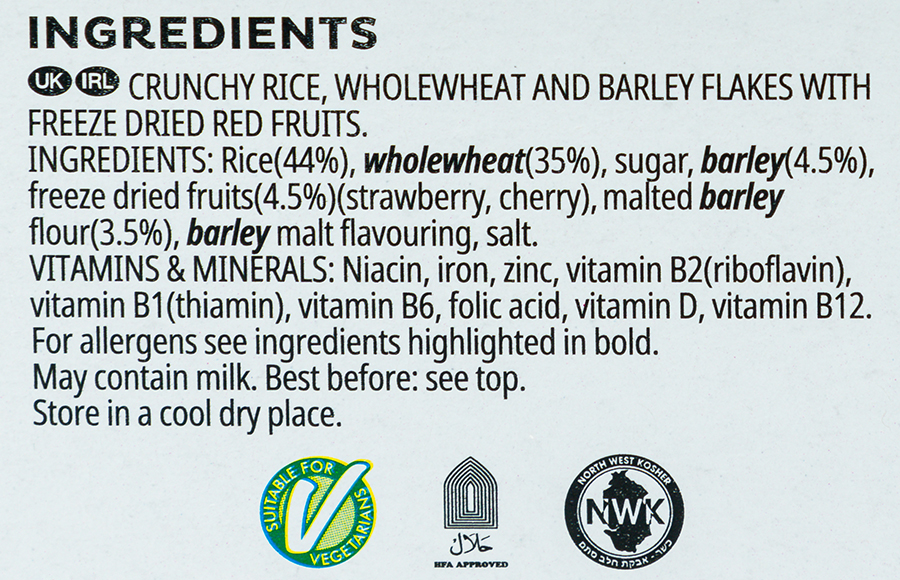
Everyone knows the product information found on pre-packaged food products. It must ensure clarity and transparency about the contents of the packaging. This allows consumers to make well-informed choices based on ingredients, nutrients and allergens.
However, a previous report found that around 20%, or 25,000 product labels, contained errors or omissions. In addition, there was no way to be certain whether the registered ingredients, nutrients and allergens actually matched what was stated on the packaging. As a result, this information could not be shared with the consumer, because its reliability could not be guaranteed.
To address this, GS1 Belgilux, the non-profit organisation that brings together retailers, hospitals, suppliers and logistics providers, will in future also actively verify and monitor the data registered online. In doing so, it aims to make the shared data more accurate and reliable for consumers, both for physical products in store and for online purchases.
How does this work?
In a nutshell, GS1 Belgilux carries out random audits of the product information on pre-packaged food products. The label information of the product is compared with the data in the portal. The results of the audit can then be found in the My Audits portal.
The full process takes place in the following five steps:

Step 1: product selection
From the range in My Product Manager, products are selected at random and according to specific selection criteria to take part in the audit programme.
Step 2: audit preparation
In preparation for the audit, suppliers are required to take three actions:
- Check the validation rules in My Product Manager
- Gather artwork or photos (at least one image)
- Request exemptions where relevant
Step 3: audit execution
The audit is carried out partly digitally, using specific software, and partly through human evaluation.
Step 4: feedback
Once the audits have been carried out, it is time for the results. The supplier is notified by email that the feedback is available in the My Audits portal.
Step 5: re-audit
For products that received an insufficient score, a re-audit can be requested. After correcting the errors in My Product Manager, the products are then audited again.
You can download the full manual with all the details here.
You can download the guidelines for product images here.
How do I get started?
All affiliated GS1 customers (including AMNorman customers) received an invitation by email for this.
If, after reading this blog, you still have questions, need clarification or would like help with the implementation, our AMNorman experts are happy to help! Contact us here.